
Raïssa, with you, people can stab you in the back as much as they want; they know that if they come back to you, you’ll always take them back with open arms.”
That’s what a longtime friend told me in 2016. Although she meant it as a compliment—highlighting how easily I forgive—it revealed a troubling truth: the absence of boundaries in the way I handled my relationships. Recently, a challenge circulated on social media, inviting people to revisit their lives in 2016. Without intending to, it forced me to reflect on the past ten years of my life.
In 2016, I was still healing from the wounds of a breakup that had made me grow. It was during that time that I came to understand—through pain—the well-known idea that men are from Mars and women are from Venus. But more importantly, I was learning how to rebuild myself, how to rediscover my true identity.
What I went through—both within certain parts of my family and in my friendships—created in me an almost visceral need to defend what is right, as if my life depended on it. It wasn’t just about defending myself, but about standing up for anyone being treated unfairly in front of me. One of my aunts once told me, half-seriously and half-jokingly, that I had missed my calling: “You should have been a lawyer.” And when I think about it, it’s not that far off. The plays I used to write as a child (for school) always featured a judge… and guess who always played that role? Me.
I have always hated witnessing injustice.
False accusations, harassment, insults, humiliation—these are things I cannot tolerate around me. Maybe because I know too well what they feel like.
As a child, I was one of those who got bullied at school. I still vividly remember the day my mother discovered insults written by my classmates in my notebook. That day, she decided it had to stop. I remember her putting on her grey-black shorts, then tying her pagne over them. With that quiet strength mothers have when their anger rises, she took me by the hand and asked me to name every girl who had been hurting me. She took me to each of their homes, one by one, to speak with their parents.
At the time, I didn’t know how to defend myself. I endured. I was almost numb. And I remember a friend who would always stand up for me, even if it meant turning everyone against her. For that, I will always be grateful.
As I grew older, I found myself in a family environment where false accusations were almost the norm. I was blamed or accused of things that simply weren’t true… What hurt me the most wasn’t so much what was being said about me, but the fact that those words were believed by those who heard them. No one ever came to ask for my side of the story. What was said about me was the truth—the whole truth.
After accumulating so many accusations and injustices, one day, my heart exploded. And from that explosion was born a version of me just as explosive as a bomb that had been delayed for far too long.
2019 was the year of the breaking point.
How would you react if someone told you, “God showed me that you are jealous of me, and I know I didn’t make it up”… especially when those words come from someone you deeply cared about… and someone who is supposed to know you, at least a little?
That accusation was the final straw. It created a deep wound in me that, I admit, changed me profoundly. Only those who knew me before 2019 truly know who I am deep down. Because since then, the desire for justice has taken root in my heart, spreading like a parasite through my hair, strand by strand.
At that point, I became an angry person—ready to react instantly at the slightest hint of a false accusation. Someone who no longer wanted to let anyone speak about her however they pleased. I nurtured a thirst for justice that almost made me bitter… until the day God reminded me of this:
“Even if people never realize they have been unfair to you, you must make peace with it and keep moving forward.”
I love people, deeply.
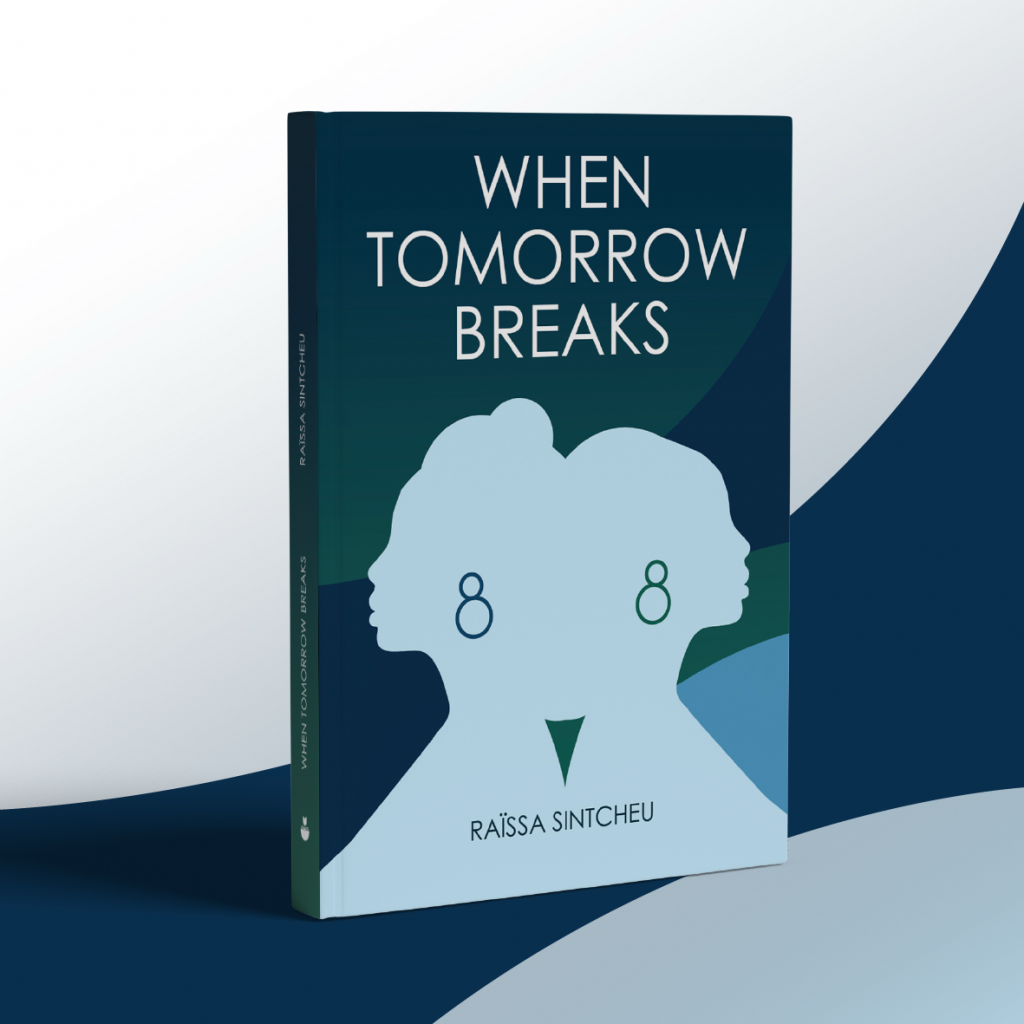
But the gentle woman I once was became impulsive. I was angry at God for allowing slander to spread, even though He knew the depths of my heart. That is also what pushed me to write Demain nous attend. Writing became my way of reclaiming my voice—of speaking up. I chose to enter therapy… one of the hardest things my soul has ever had to do.
It is now 2026, and I write these lines with clarity. Has my desire for justice changed? No. Do I still defend people who didn’t ask me to? Yes. Do I still get defensive when I feel falsely accused? Sometimes.
Maybe, in the end, this is part of my purpose: to speak when others are silenced. Or maybe, when it concerns me, I should learn to let God speak for me instead of always trying to go ahead of Him. I know that this is where the key lies: the key to wisdom and peace.
But what I am certain of today is this: do not try to stab me in the back. Because this time, I will cast that influence out and away from me by avoiding you like refuse left too long in the sun… and I will do it in the love of Christ 🙃